Meet the women behind the brands
February 20, 2026 · Culture
We asked the women-owned businesses on our platform to tell us their stories. From market stalls to Tesco shelves, here's what they said.
Not all gifts are made equal (we're looking at you, Lynx Africa bodywash set). When you give a gift, you're revealing something about what you value - and what the recipient means to you. That's why we closely curate our range of products, so we can give you access to exclusively beautiful brands. Ideally, beautiful brands with stories you can get behind.
As a result, quite a few of those brands happen to be founded by women.
We wanted to do more than list their products (as excellent as they are - take a look!). So we asked them to tell us their stories - how they started, what's been hard, what they're proud of, and what advice they'd give to other women thinking about starting their own business. Because it's tough out there, so a little inspiration goes a long way.
Here's what they said.
Rachel Hanretty - Mademoiselle Macaron

Rachel fell in love with macarons while living in Paris. When she moved back to Scotland in 2010, she couldn't find them anywhere. So she started making her own - from the recipes she'd learned at a Parisian cookery school.
Her first sales were at a market stall in 2013. Today, Mademoiselle Macaron has a team of 13 and produces millions of macarons a year. They won Online Bakery of the Year in 2025.
The award meant a lot because it wasn't just about the product. "It was truly a reflection of the whole team," Rachel says. "Not just the product or the founder, but the whole business".
On being a woman founder, she doesn't mince words: "Not being taken seriously, especially when I was a young female founder. A lot of people assume that I'm still making macarons at home, as they can't seem to conceive it might be a large business".
Her advice? Cost in your time. "When I was doing everything myself, it meant that when it came to hiring someone, I had grossly underestimated the time and cost it would be to get someone else to do it. Putting a price on your time will change over the years, but it's super important to keep in mind".
Rachel is also a board member of Edinburgh Women's Aid and is raising - in her words - "a fearless and ambitious daughter".
Jess Barnett - Treat Kitchen
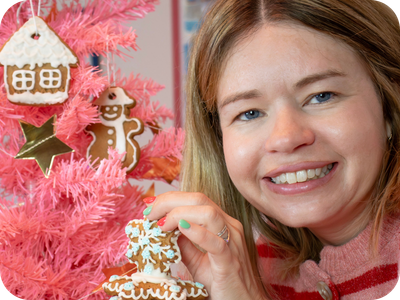
Jess co-founded Treat Kitchen with her husband Martin and his brother in 2014, right after their first child was born. They'd been living in Australia but felt pulled home to be closer to family and build something of their own.
With family links to confectionery going back to the 1890s, they spotted an opportunity to reimagine the traditional sweet shop. "We wanted to create products that felt fresh and joyful," Jess says. "Gifts that genuinely made people smile".
They started with one shop in Nottingham. Today they supply stores across the UK and overseas, including Tesco. Landing that supermarket listing is a moment Jess counts as one of her proudest: "Any small business founder who's been lucky enough to secure a supermarket listing knows how hard-won it is".
But what she's equally proud of is the women on her team. "Leah, our Buying Director, started with us years ago as a shop assistant. Izzy, our designer, brings our products to life. And Lydia in marketing joined us straight from university and now manages all our socials. Seeing those women develop and take on new challenges has been just as proud a moment as landing Tesco itself".
On the biggest challenge: "It's very easy to fall into a pattern of guilt - feeling guilty at work that I'm not with the children, and feeling guilty at home that I'm not doing more for the business. Running a small business means it's hard to truly switch off".
Her advice to other women? "Be yourself. Your business will be stronger if you stay authentic and build it around your own personality, values, and ethics. That's what gives your brand its heartbeat".
Helena Hills - TrueStart Coffee
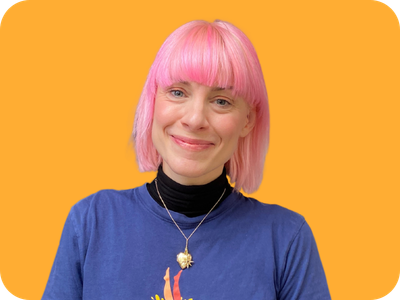
Helena and her husband Simon started TrueStart in 2015 because they were training for triathlons, drinking loads of coffee, and feeling awful. Jittery or flat - never the energy they actually wanted.
So they made their own. Clean, barista-grade coffee that's tested for consistent caffeine and free from mycotoxins.
Their first outing was sampling instant coffee to muddy runners in Taunton. "I'll never forget their reactions," Helena says. "They lit up. They loved the taste, they loved our energy, and most of all they loved how TrueStart made them feel. When they came back at the end of the race they all exclaimed how it was 'PB coffee'".
On being a woman founder: "Early on, I think it was navigating the expectations around how a female founder should 'be.' Don't be too harsh, but don't be too soft. Be decisive, but not intimidating. But over time, I stopped thinking about it. The most powerful thing I could do was be authentically myself".
Her advice: "Lean into your individuality. It truly is your superpower and it's the one thing that cannot be copied".
Her proudest moment? "It's not one single milestone. The real pride lives in the everyday. It's in the messages from customers telling us how TrueStart has changed how they feel".
Emily and Dr Ana Attlee - Seedball
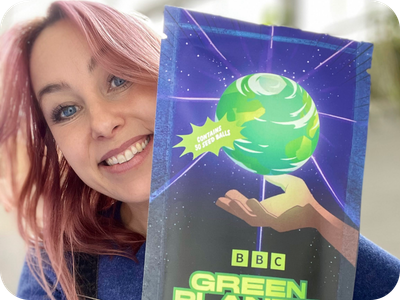
Emily and Ana were finishing conservation PhDs in 2010 when they had an idea: what if there was a really easy way for anyone to grow wildflowers?
The UK's bee and butterfly populations had been declining since WW2, but the combined area of private gardens, balconies, and window boxes was bigger than all UK nature reserves. The potential was enormous - if you could make it simple enough.
They discovered an ancient Japanese technique of encasing seeds in clay balls, adapted it for British wildflowers, and Seedball was born. Today they're stocked by over 500 retailers including RHS, the National Trust, and Waterstones, and donate over 500,000 seed balls to schools every year.
Their proudest moment: "The BBC asked us to make a million seed balls for the launch of David Attenborough's 'Seven Worlds One Planet.' As a conservation mission-led company, this was epic".
On the challenges of being a woman founder, Emily is honest: "Even after nearly 15 years, I still find it hard to be confident. I still get patronised and treated like we're a small start-up. This can even come from the least expected of people - parents, friends, and colleagues".
She also talks about what so many founder podcasts miss: "Not many are written with parents in mind. The characteristics of success that are presented rarely say what to do if your 5.30am visualisation is interrupted by a little one who's woken early, and it's not until 9.15 after getting everyone fed, dressed, and to school that I can start to think about work".
Her advice: "Believe in yourself, follow your passion, and trust your gut. Be careful not to people-please. Do what's best for you and what's best for the business first".
Lucy Robins - Amp Wellbeing
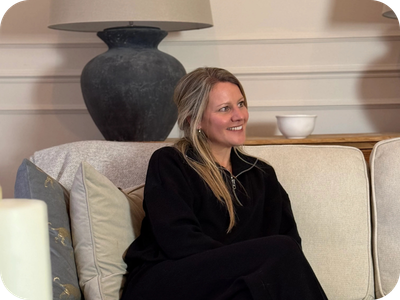
Lucy started Amp from her kitchen table because she was fed up.
"Fitness stopped fitting into my life," she says. "In my twenties, I trained in gyms. As my career progressed, time got tighter. Then motherhood arrived, and the idea of regular gym sessions became unrealistic".
The home fitness equipment available was either ugly, flimsy, or designed to be hidden away - which meant it never got used. So Lucy created beautiful, design-led equipment you'd actually want in your home.
Amp now supports customers and wellness studios across the UK and Europe.
Her proudest moments are the messages from customers "who say they finally enjoy moving again. Or studios choosing Amp because it makes their space feel calmer and more welcoming".
On the challenge: "As a female founder, especially as a mum, there's a constant tension between ambition and responsibility. You're building something serious, but you're also juggling family, finances, logistics, and the mental and emotional load".
Her advice: "Lean into the areas that aren't your strengths - and learn them earlier than you think you need to. For me, that meant understanding the numbers. Passion and vision matter, but they don't keep a business alive. Cash flow does".
Stephanie - KOSI London
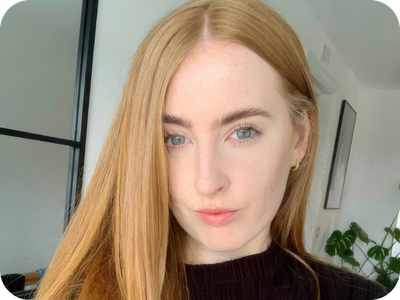
Stephanie is a graphic designer who spent 12 years in the industry before channelling her experience into her own brand. She and her business partner spotted a gap for premium, aesthetic bamboo socks - turning a functional essential into a luxury experience.
She built KOSI while balancing a full-time job, a freelance design business, and a one-year-old. "I juggled long, late nights designing products and shaping a brand that met my high standards, alongside the demands of family life".
Her proudest moment was seeing KOSI come to life: "After creating the name, designing the product, building the website, and leading the art direction - holding the product for the first time and seeing it stocked by retailers I'd always admired was incredibly rewarding".
Her advice: "Build a brand that you truly believe in. Because if you are passionate about it, you'll do everything in your power to make it a success, and others will believe in it too".
Sarah Vachon - Citizens of Soil
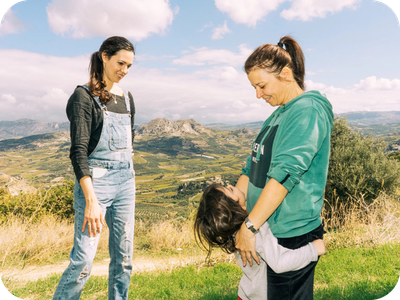
The heart of Citizens of Soil's story goes back to family friends that they still work with.
Sarah was working in sustainability at Provenance.org when she and her husband started their business to support those friends, who were small-scale olive oil producers in Crete. They had been forced to accept a low commodity price which wasn’t fair (for their quality and in general).
This led Sarah and the team on a journey to realise the olive oil in their cupboard told them almost nothing. Who made it? Where did it come from? Was it even good?
Olive oil is traded as a commodity, which squeezes farmers, degrades the land, and leaves shoppers with bland, anonymous oils. Citizens of Soil was their answer: single-origin extra virgin olive oil, sourced directly from small producers across the Mediterranean.
Sarah became a certified olive oil sommelier along the way, doing masterclasses, harvests, and milling days across the region.
On being a woman founder: "The biggest challenge has been access to capital. Female founders receive only around 5% of total venture capital funding in the UK. That's not just a headline figure - you feel it in rooms, in pitch meetings, and in the pace at which you're able to grow".
She also highlights the imbalance in the industry itself: "Olive oil is heavily male-dominated. Going to mills, meeting farmers, attending conferences - it's overwhelmingly men. I've had to carve out my space and champion other women across the industry".
Her advice: "Start doing founder one-to-ones. Most of us don't know what we're doing at the start, and none of us have all the answers. But collectively, there's a lot you can learn. Building community is often one of our superpowers".
Jess Lancaster and Charlie Stagg - Coconut Lane
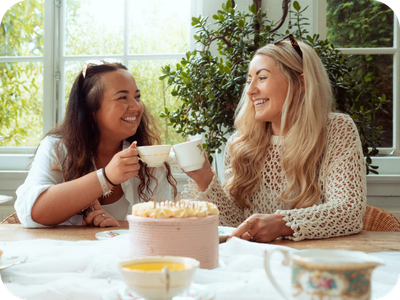
The two founders of Coconut Lane and have been best friends since they were 11. They went to school together, university together, and always dreamed of starting a business together.
Eventually they stopped dreaming and started doing - printing inspirational wall art on their home printers. Simple quotes like 'What would Beyonce do?' - we can all get behind that! The brand has grown far beyond those early days, and in 2025 they won an Everywoman Award.
"Standing on that stage felt surreal," they say. "We both said that our Year 7 best-friend selves would be very proud of us".
On being women in business: "Being taken seriously has probably been the biggest challenge. As young women, there's often an assumption that what we're doing is more of a hobby than a serious venture".
Their advice: "Be really intentional about when you hire. Hiring too early can put huge financial pressure on a business, but trying to do everything yourself for too long can hold you back. Also, surround yourself with supportive people. There will be tough times and a good support network is crucial".
What these founders have in common
We didn't plan a theme for these interviews. But reading them back, the same threads keep showing up.
Not being taken seriously. Rachel, Emily, Coconut Lane - they've all dealt with people assuming their businesses are hobbies. That's not a coincidence.
The juggle. Lucy, Jess, Stephanie, Emily - all building businesses while raising young children. Not as a footnote, but as the central challenge of their founder experience.
Authenticity as strategy. Helena, Jess, Stephanie - all say the same thing in different words: be yourself. Don't try to fit someone else's mould.
Community. Sarah's founder one-to-ones. Emily's wish for more honest conversations between parent-founders. Jess lifting up the women on her team. These aren't solo acts.
Only 1 in 3 UK entrepreneurs are women. Female-founded startups receive just 2% of venture capital funding. But the businesses on this page are proof that brilliant things happen when women build.
Send a gift from a women-owned brand
Every gift you send through Huggg from one of these brands supports a real founder and a real team.
Browse women-owned brands on Huggg or learn more about Gift with Choice.
FAQs
What women-owned brands are available on Huggg?
Huggg works with several women-owned businesses including Mademoiselle Macaron, Treat Kitchen, TrueStart Coffee, Seedball, Amp Wellbeing, KOSI London, Citizens of Soil, and Coconut Lane. Their products span food and drink, wellness, sustainability, and lifestyle.
Why should companies buy from women-owned businesses?
Only 1 in 3 UK entrepreneurs are women, and female founders receive less than 2% of VC funding. Choosing women-owned brands for employee or client gifts is a practical way to support supplier diversity and put your spending behind the kind of economy you want to see.
How can I send a gift from a women-owned brand through Huggg?
You can send a gift from Huggg in about 30 seconds. Choose your budget, select from women-owned brands in our gift range, add a personal message, and send via link. No addresses needed - recipients choose their own gift and add their delivery details.
What is Huggg's women-owned brands collection?
It's a curated selection of gifts from businesses founded and led by women. The collection includes artisan macarons, clean coffee, premium bamboo socks, wildflower seed balls, design-led fitness equipment, olive oil, confectionery, and lifestyle products.
Can I use women-owned brands for corporate gifting?
Yes. Many Huggg customers use women-owned brands for employee recognition, client gifts, and seasonal campaigns. It's a way to gift meaningfully while supporting businesses that align with your company's values around diversity and inclusion.
Are women-owned brand gifts available for International Women's Day?
Yes, and they're a popular choice for IWD. But these brands are available year-round on Huggg - not just in March. You can send from them for birthdays, work anniversaries, thank-yous, or any recognition moment.